Kitten Development Stages: Understanding Kitten
Watching a kitten grow from a tiny, helpless newborn into a playful, independent young cat is one of the most rewarding experiences a pet owner can have. But kitten development happens fast — in just a few short months, a kitten will open its eyes, take its first steps, learn to hunt, and transition from mother’s milk to solid food.
Understanding these growth milestones week by week helps you provide the right care at the right time, spot potential health issues early, and set your kitten up for a long, healthy life.
In this guide, we’ll walk through every major stage of kitten development, from birth to six months and beyond, so you know exactly what to expect and how to support your kitten along the way.
Why Understanding Kitten Development Stages Matters
Every kitten follows a fairly predictable developmental timeline, though individual kittens may reach milestones slightly earlier or later than average. Knowing this timeline is important for several reasons:
- Early problem detection: If a kitten isn’t hitting expected milestones (opening its eyes, gaining weight, walking), it could signal a health issue that needs veterinary attention.
- Proper nutrition: Kittens have very different nutritional needs at each stage, from nursing to weaning to eating solid kitten food.
- Socialization windows: There are critical periods during which kittens learn to interact with humans and other animals — missing these windows can affect their behavior for life.
- Vaccination and health scheduling: Veterinarians time vaccines, deworming, and check-ups around specific developmental stages.
Let’s break down kitten growth week by week.
Week 1: The Neonatal Stage (Birth to 7 Days)
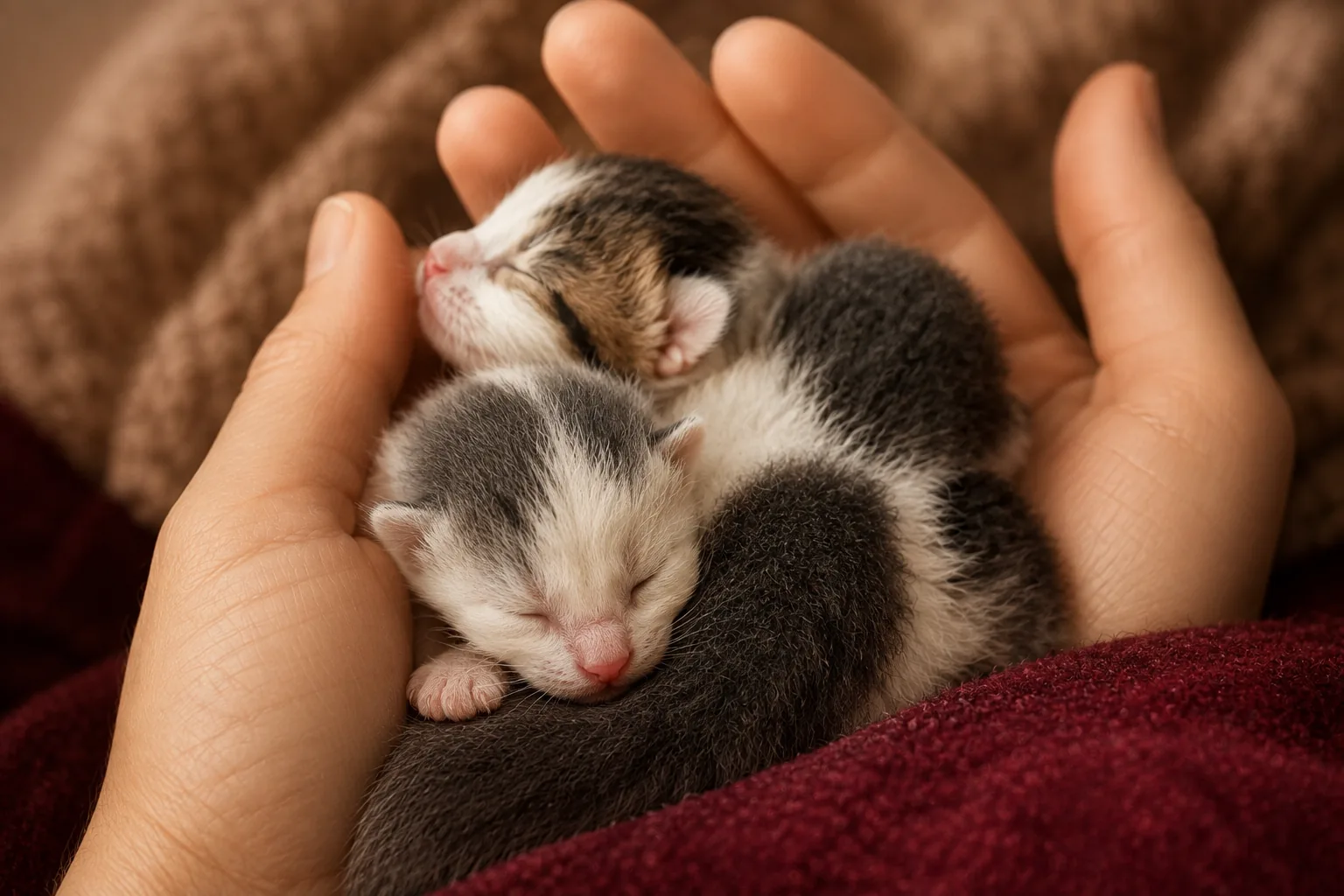
Newborn kittens are completely dependent on their mother. At this stage, kittens:
- Are born blind and deaf, with eyes and ear canals sealed shut
- Cannot regulate their own body temperature and rely on their mother and littermates for warmth
- Cannot walk — they can only crawl using a “swimming” motion
- Nurse every 1–2 hours and sleep around 90% of the day
- Weigh approximately 90–100 grams at birth and should gain about 10–15 grams per day
At this stage, human handling should be minimal and gentle. The mother cat (queen) should be left largely undisturbed to bond with and care for her litter.
Week 2: Eyes and Ears Begin to Open
Around 7 to 14 days old, kittens reach their first visible milestones:
- Eyes typically begin opening between days 7 and 10, though this can vary
- All kittens are born with blue eyes, which will gradually change to their permanent color over the following weeks
- Ear canals start to open around day 14
- Kittens are still largely immobile but begin to move their limbs more purposefully
- Weight continues to increase steadily, roughly doubling from birth weight by the end of week 2
Week 3: Sensory Development and First Steps
By the third week, kittens become noticeably more active:
- Hearing and vision continue to sharpen
- Kittens begin attempting to stand and take their first wobbly steps
- Baby teeth (deciduous teeth) start to emerge
- The sense of smell becomes more developed, helping kittens locate their mother and littermates
- Kittens start to react to sounds and movement around them
This is also when gentle, positive human interaction can begin, laying the groundwork for healthy socialization.
Week 4: Increased Mobility and Early Play
Week four marks a major shift toward independence:
- Kittens can walk more confidently, though still somewhat unsteadily
- Play behavior begins — batting at littermates, pouncing, and exploring their environment
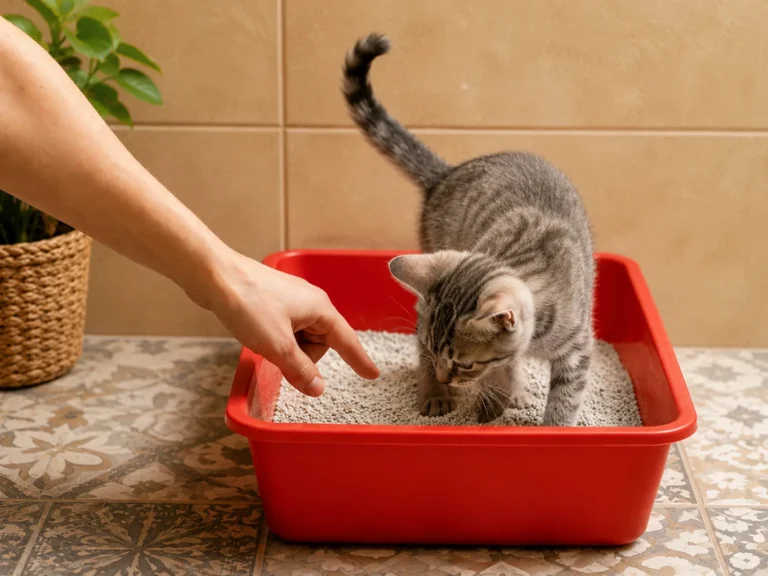
- Kittens start to use a litter box with guidance, often mimicking their mother
- Weaning may begin, with kittens showing curiosity about their mother’s food
- Vocalizations become more varied, including early attempts at meowing
Week 5–6: Weaning and Socialization
This is one of the most critical periods in kitten development:
- Weaning from mother’s milk to solid kitten food typically begins in earnest around week 5 and continues through week 8
- Kittens develop better coordination, running, jumping, and climbing with increasing skill
- Social play with littermates intensifies, teaching bite inhibition and social boundaries
- The critical socialization window (roughly weeks 2–7) is in full swing — positive exposure to humans, gentle handling, household sounds, and other pets during this time has a lasting impact on temperament
- Baby teeth continue to come in
Week 7–8: Growing Independence
By seven to eight weeks, kittens are noticeably more self-sufficient:
- Fully weaned onto solid food (though some kittens may still nurse occasionally if the mother allows it)
- Litter box habits become consistent
- Coordination and balance closely resemble that of an adult cat, though on a smaller scale
- Kittens typically weigh around 2 pounds (0.9 kg) by 8 weeks
- This is generally the earliest age kittens are considered ready to begin their first round of vaccinations, in consultation with a veterinarian
Many kittens are old enough to be adopted into new homes around 8 weeks, though many veterinarians and breeders recommend waiting until at least 10–12 weeks to allow more time for social development with littermates.
Week 9–12: Refining Skills and Confidence
During this period, kittens continue to mature both physically and behaviorally:
- Motor skills become more refined — running, climbing, and jumping with confidence
- Hunting instincts emerge through play, such as stalking toys or pouncing on moving objects
- Kittens become more curious and exploratory, testing boundaries in their environment
- Continued socialization is important; kittens should be exposed to new people, gentle handling, and (if appropriate) other vaccinated, friendly pets
- A series of core vaccinations is usually administered during this window, spaced a few weeks apart
Month 4–6: The Juvenile Stage
Between four and six months, kittens transition into what’s often called the “juvenile” stage:
- Permanent adult teeth begin replacing baby teeth, usually starting around 4 months
- Kittens experience noticeable growth spurts and increased appetite
- Many kittens reach sexual maturity during this period, which is why veterinarians commonly recommend spaying or neutering between 4 and 6 months
- Energy levels are often at their peak, with lots of running, climbing, and play
- Personality traits become more established and stable
Month 6–12: Adolescence
From six months to about a year, kittens are technically adolescents:
- Growth rate slows compared to the rapid pace of the first six months
- Most kittens reach close to their adult size by 9–12 months, though some larger breeds continue growing until 18–24 months
- Behavior may fluctuate as hormones stabilize, especially if not yet spayed or neutered
- Dietary needs begin shifting toward adult cat food formulations, typically around 12 months
Key Signs of Healthy Kitten Development
As you track your kitten’s growth, keep an eye out for these general indicators of healthy development:
- Steady weight gain — consistent weekly weight increases are one of the best indicators of good health
- Bright, clear eyes without discharge once they open
- Active nursing or eating, appropriate for their age
- Normal mobility progression — from crawling to walking to running
- Curiosity and playfulness as they age, which reflects healthy neurological and social development
- Regular litter box use once weaning begins
If a kitten seems lethargic, isn’t gaining weight, has cloudy or discharging eyes past the expected opening window, or shows delayed mobility, a veterinary check-up is recommended.
Final Thoughts
Kitten development is a fast-moving journey filled with dramatic changes in just a matter of weeks. From blind, helpless newborns to confident, playful juveniles, each stage brings new milestones that shape your kitten’s health, behavior, and personality for years to come. By understanding what to expect week by week, you’ll be better equipped to provide the right nutrition, socialization, and veterinary care at every step — giving your kitten the best possible start in life.