Can Cats Eat Dog Food? What Every Cat Owner Needs to Know
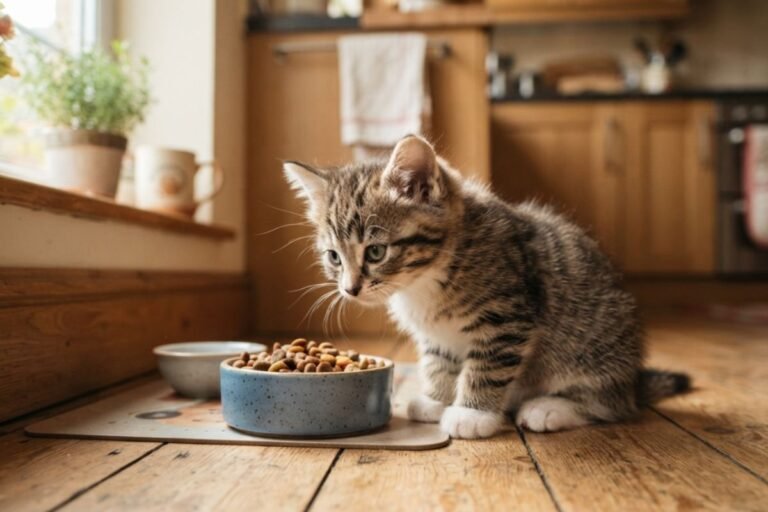
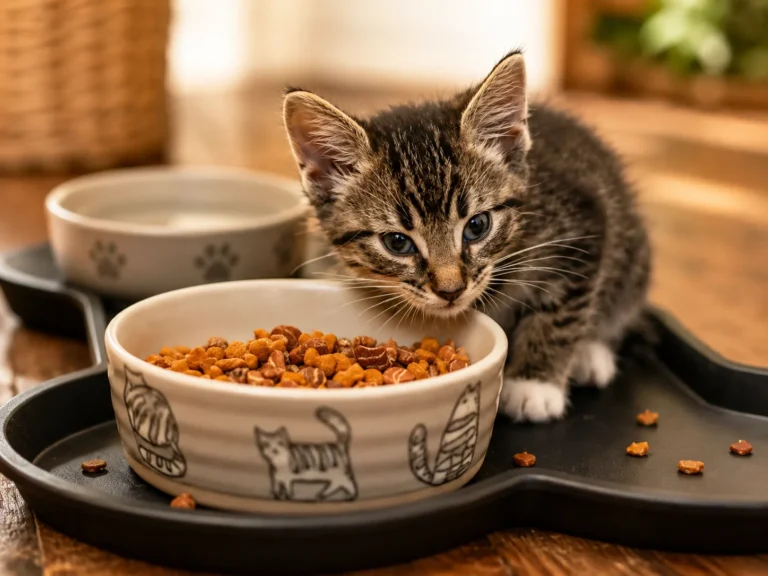
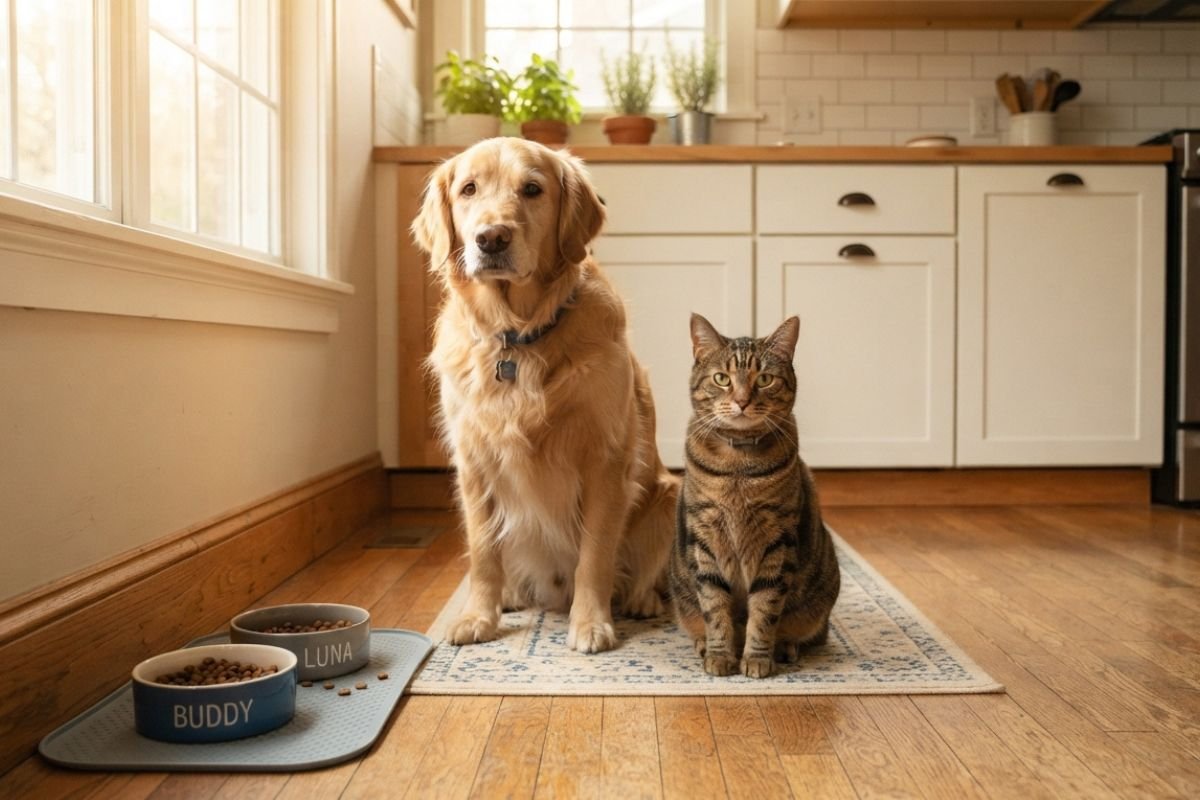
If you share your home with both a cat and a dog, you’ve probably caught your feline friend sneaking a bite from the dog’s bowl at least once. It’s a common household scene — but it raises an important question: can cats eat dog food safely?
The short answer is that an occasional nibble of dog food won’t seriously harm your cat, but making it a regular part of their diet can lead to serious nutritional problems over time. Here’s everything you need to know.
Why Cats and Dogs Need Different Diets
Cats and dogs may both be carnivorous pets, but their nutritional needs are fundamentally different. Dogs are omnivores that can thrive on a mix of animal and plant-based nutrients. Cats, on the other hand, are obligate carnivores — their bodies are biologically designed to get almost all their nutrients from animal-based protein.
This difference matters a lot when it comes to commercial pet food, because dog food is formulated specifically for canine nutritional requirements, not feline ones.
What’s Missing From Dog Food (That Cats Actually Need)
1. Taurine
Taurine is an amino acid that cats cannot produce in sufficient quantities on their own. Dogs can synthesize their own taurine, so dog food manufacturers don’t add much (if any) to their formulas. Cats who don’t get enough taurine over time can develop serious health issues, including:
- Dilated cardiomyopathy (a life-threatening heart condition)
- Vision problems and blindness
- Weakened immune function
- Reproductive issues
2. Arachidonic Acid
This essential fatty acid is another nutrient cats must get from their diet, since they can’t produce it themselves. Dogs can synthesize it internally, so it’s typically absent or minimal in dog food.
3. Vitamin A
Cats need preformed vitamin A (retinol), which comes only from animal sources. Dogs can convert plant-based beta-carotene into vitamin A, so dog food often relies on this cheaper plant source instead — leaving it inadequate for feline needs.
4. Protein
Cats require significantly more protein in their diet than dogs do. Dog food is generally formulated with lower protein levels, which won’t meet a cat’s daily requirements if fed consistently.
5. Niacin (Vitamin B3)
Cats need higher amounts of niacin than dogs, and dog food typically doesn’t contain enough to support a cat’s metabolism.
Is a Little Dog Food Dangerous?
If your cat steals a mouthful of dog food once in a while, there’s generally no need to panic. A single meal or occasional snack won’t cause taurine deficiency or vitamin imbalances — those problems develop from prolonged, repeated exposure, not one-off incidents.
However, you should watch for:
- Mild digestive upset (vomiting, diarrhea, or gas), since the different fat and fiber content can be harder for a cat’s digestive system to process
- Choking hazards, particularly with large kibble sizes made for bigger dog breeds
- Ingredients cats shouldn’t have, such as certain seasonings, onion or garlic powder, or added ingredients that are safe for dogs but not ideal for cats
What Happens If a Cat Eats Dog Food Long-Term?
Feeding your cat dog food as a regular diet — even for a few weeks — can lead to:
- Malnutrition, especially taurine and vitamin A deficiencies
- Heart disease, most notably dilated cardiomyopathy linked to low taurine
- Vision loss from prolonged nutrient gaps
- Weight and energy issues, as dog food doesn’t match a cat’s higher-calorie, high-protein needs
- Weakened coat and skin health, due to insufficient essential fatty acids
If you discover that your cat has been eating dog food regularly (for example, if you recently got a dog and didn’t realize the cat was sharing the bowl), it’s a good idea to consult your veterinarian, especially if it’s been going on for more than a few days.
How to Prevent Cats From Eating Dog Food
If you have multiple pets at home, here are a few practical tips to keep everyone eating the right food:
- Feed pets in separate rooms or spaces. This is the simplest fix — physical separation during mealtimes prevents food-swapping entirely.
- Use elevated feeding stations for cats. Cats are natural climbers, so placing their food on a counter, shelf, or cat tree can keep it out of the dog’s reach while discouraging the dog from investigating — though you’ll still want to make sure the dog can’t get to it.
- Try microchip or timed feeders. Smart feeders that only open for a specific pet (via microchip recognition) are especially useful in multi-pet households.
- Supervise mealtimes. If free-feeding isn’t an option, structured, supervised meals can prevent sneaky snacking.
- Pick up bowls after mealtime. Don’t leave dog food sitting out where a curious cat can graze on it throughout the day.
What About Dog Treats?
The same logic applies to treats. Occasional plain, cat-safe treats are fine, but dog treats aren’t formulated with feline nutrition in mind and shouldn’t replace cat-specific treats or become a regular habit.
The Bottom Line
So, can cats eat dog food? A small amount now and then is unlikely to cause harm, but dog food should never replace a cat’s regular diet. Cats have unique nutritional needs — particularly for taurine, arachidonic acid, vitamin A, and protein — that dog food simply isn’t designed to meet. For a healthy, happy cat, stick to high-quality food formulated specifically for felines, and take a few simple steps to keep the dog’s bowl out of reach.
If you ever have concerns about your cat’s diet or suspect they’ve been eating dog food regularly, reach out to your veterinarian for personalized guidance.
This article is for informational purposes only and is not a substitute for professional veterinary advice.