The Right Foods for Kittens: A Complete Feeding Guide for New Kitten Owners
Bringing a kitten home is exciting, but one of the first questions every new owner asks is: what should I actually feed my kitten? Kittens have very different nutritional needs than adult cats, and getting their diet right in the first year sets the foundation for a long, healthy life. This guide breaks down exactly what kittens need, which foods to choose, and which foods to avoid.
Why Kitten Nutrition Is Different From Adult Cat Food
Kittens grow at an incredibly fast rate during their first 12 months. Because of this rapid development, they require significantly more calories, protein, and fat per pound of body weight than adult cats. Feeding an adult cat formula to a kitten can leave them undernourished during a critical growth window, so it’s important to choose food specifically labeled for kittens or “all life stages.”
Key nutrients kittens need in higher amounts include:
- Protein – for muscle, organ, and tissue development
- Fat (especially DHA) – for brain and eye development
- Calcium and phosphorus – for strong, growing bones
- Taurine – an essential amino acid cats cannot produce on their own
- Calories – kittens need roughly two to three times the energy of an adult cat relative to their size
Wet Food, Dry Food, or Both?
There’s no single “correct” answer, but each option has advantages worth knowing.
Wet (Canned) Kitten Food
Wet food has a high moisture content, which helps with hydration and is often easier for very young kittens to chew. It also tends to be more palatable, which is helpful when weaning kittens off their mother’s milk.
Dry Kibble
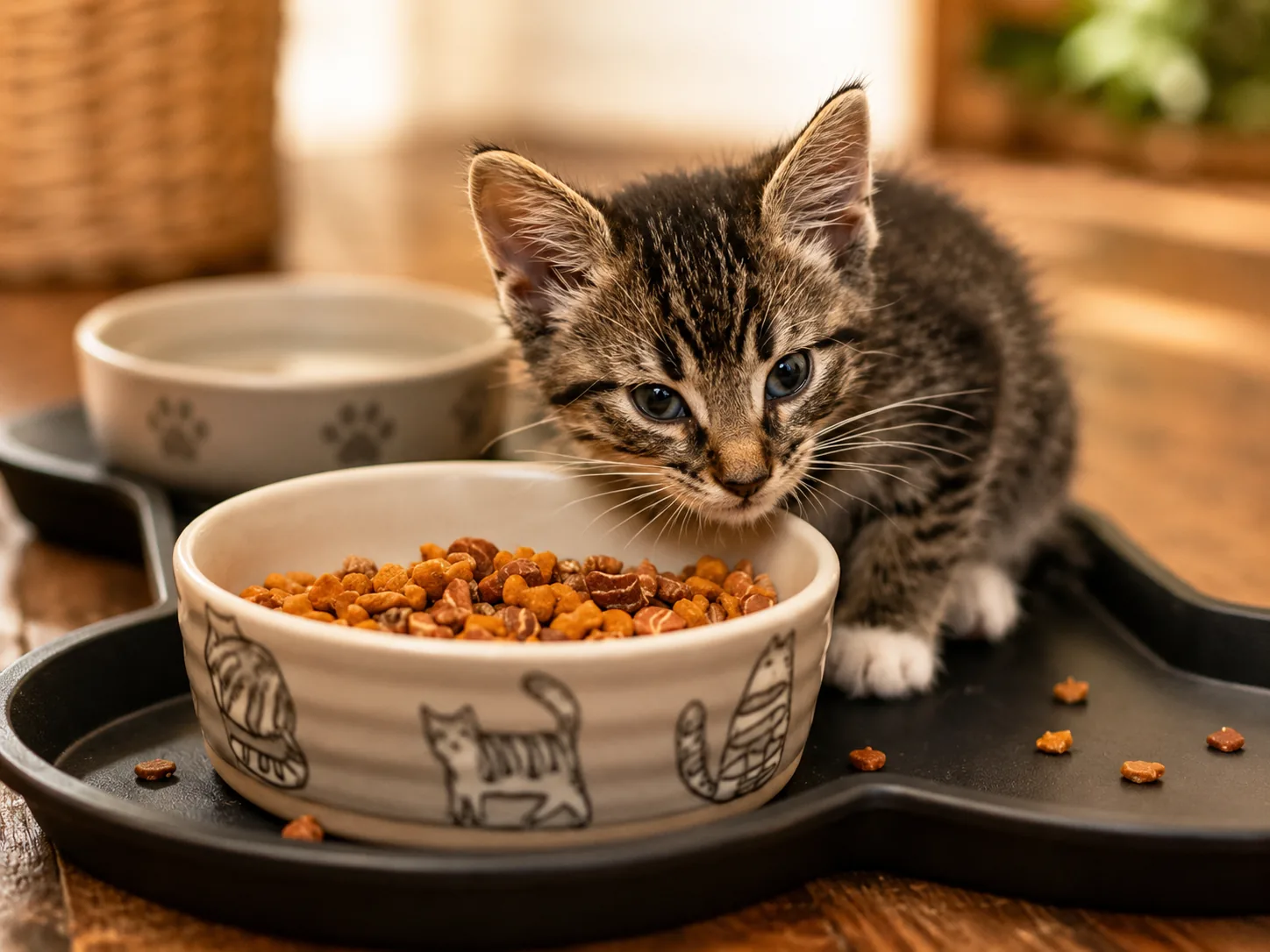
Dry kitten food is calorie-dense, convenient, and can support dental health through the mechanical action of chewing. Make sure any dry food is specifically formulated for kittens, since the kibble size and nutrient profile differ from adult formulas.
A Combination Approach
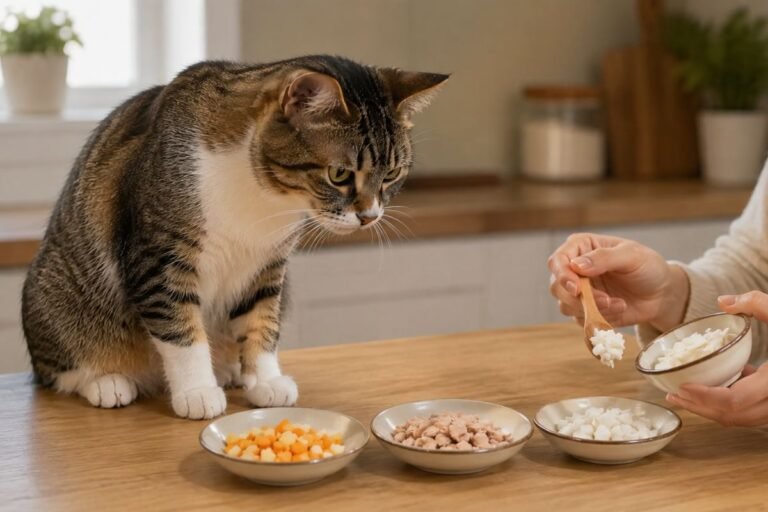
Many veterinarians recommend mixing wet and dry food. This gives kittens the hydration benefits of wet food along with the convenience and dental benefits of kibble, while also helping prevent them from becoming “locked in” to only accepting one texture later in life.
How to Choose a High-Quality Kitten Food
When comparing products, look for these signs of quality:
- AAFCO or FEDIAF statement – confirms the food meets nutritional standards specifically for growth (kittens) rather than maintenance (adults).
- Named animal protein first – look for “chicken,” “salmon,” or “turkey” as the first ingredient rather than vague terms like “meat by-product.”
- No artificial fillers – avoid foods relying heavily on corn syrup, artificial colors, or excessive fillers with little nutritional value.
- Age-appropriate labeling – “kitten,” “growth,” or “all life stages” on the packaging.
A Sample Feeding Timeline
- 0–4 weeks: Kittens should be nursing from their mother or, if orphaned, fed a veterinarian-approved kitten milk replacer. Never give cow’s milk.
- 4–8 weeks: Gradual weaning begins, introducing moistened wet kitten food alongside milk replacer.
- 8 weeks–6 months: Fully weaned onto kitten-specific wet and/or dry food, fed multiple small meals a day (typically 3–4).
- 6–12 months: Feeding frequency can be reduced to 2–3 meals a day as growth begins to slow.
- Around 12 months: Most kittens can transition to adult cat food, though large breeds like Maine Coons may need kitten food for longer, as advised by a veterinarian.
Foods to Avoid Giving Kittens
Some human foods and common mistakes can be harmful:
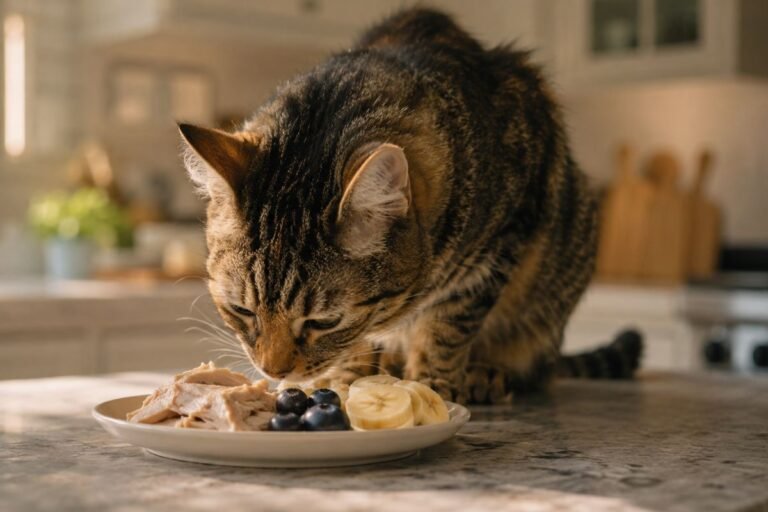
- Cow’s milk – most cats are lactose intolerant and it can cause digestive upset
- Onions, garlic, and chives – toxic to cats in any form
- Chocolate and caffeine – dangerous to cats’ nervous and cardiac systems
- Raw dough – can expand dangerously in the stomach
- Grapes and raisins – linked to toxicity in cats
- Bones and fatty table scraps – choking hazards and digestive risk
- Dog food – lacks sufficient taurine and other nutrients cats specifically need
Should You Feed on a Schedule or Free-Feed?
Because of their high energy needs, most kittens do well with scheduled meals several times a day rather than free-feeding (leaving food out all day), which can lead to overeating and weight issues later. A veterinarian can help determine the right portion sizes based on your kitten’s breed, weight, and activity level.
When to Talk to a Veterinarian
Every kitten is different, and factors like breed, health conditions, and growth rate can affect dietary needs. A vet can help you choose the right formula, determine appropriate portions, and flag any signs of nutritional deficiency early. Regular weigh-ins during the first year are a simple way to confirm your kitten is growing on track.
Final Thoughts
Feeding a kitten the right food isn’t complicated once you understand the basics: choose a high-quality, kitten-specific formula, provide the right balance of protein and fat for growth, follow an age-appropriate feeding schedule, and avoid common household foods that are toxic to cats. Getting nutrition right in these first months gives your kitten the best possible start in life.