
Can Kittens Eat Adult Cat Food? What Every Owner Needs to Know
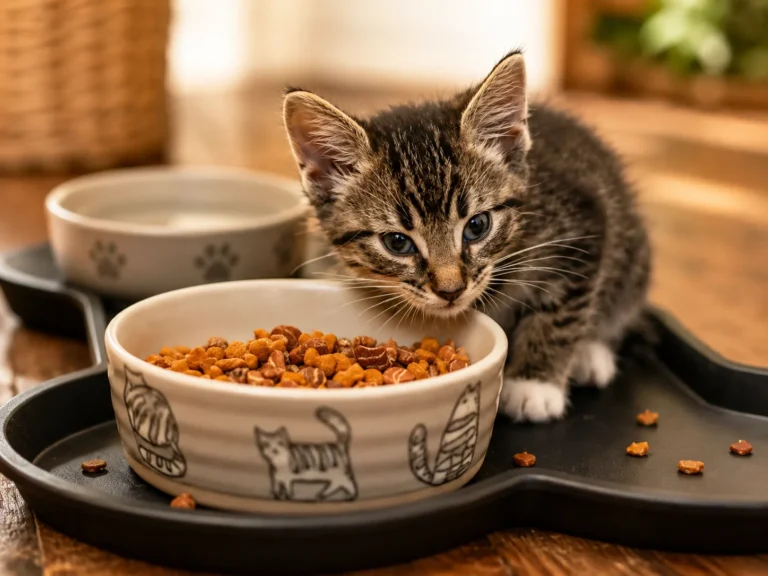
If you’ve just brought home a kitten — or you’re caring for one — you’ve probably asked yourself: can kittens eat adult cat food? Maybe you ran out of kitten food, or an older cat in the house keeps stealing the kitten’s bowl (and vice versa). It’s one of the most common questions new cat owners search for, and the short answer is: no, kittens should not eat adult cat food as a regular diet. But the full answer is a bit more nuanced, and understanding why will help you keep your kitten healthy during its most critical growth stage.
The Short Answer
Kittens need significantly more calories, protein, fat, and specific nutrients per pound of body weight than adult cats. Adult cat food is formulated to maintain a fully grown cat’s body — not to fuel the rapid growth, bone development, and immune system maturation happening in a kitten under 12 months old. An occasional bite won’t harm your kitten, but a steady diet of adult food can lead to malnutrition and stunted growth over time.
Why Kitten Food and Adult Food Are Different
1. Higher Protein and Fat Requirements
Kittens are growing at an extraordinary rate — a kitten can grow to nearly 20 times its birth weight within the first six months of life. That growth demands a diet rich in high-quality animal protein and fat, which supply the amino acids and energy needed to build muscle, organs, and tissue. Kitten food typically contains noticeably more protein and fat per serving than adult formulas.
2. More Calories Per Bite
Because kittens have small stomachs but huge energy needs, kitten food is calorie-dense. Adult cat food is intentionally lower in calories to prevent weight gain in cats whose growth has already leveled off. Feeding a kitten adult food means it has to eat a much larger volume to get the energy it needs — something its tiny stomach often can’t manage.
3. Essential Nutrients for Development
Kitten formulas are enriched with nutrients that support specific developmental needs:
- DHA (docosahexaenoic acid) – supports brain and vision development, especially important in the first few months.
- Calcium and phosphorus – in the right ratio for healthy bone growth.
- Taurine – an amino acid all cats need, but kittens require it in higher concentrations to support heart and eye development.
- Antibodies and immune-supporting nutrients – to help a young cat’s immune system mature, especially after weaning.
Adult cat food isn’t fortified with these extra amounts because a grown cat’s body no longer needs them at that level.
What Happens If a Kitten Eats Adult Food Long-Term?
An occasional nibble from an adult cat’s bowl is not an emergency. But if a kitten’s primary diet is adult food, the risks include:
- Slowed or stunted growth due to insufficient calories and protein
- Weak bones and joint problems from inadequate calcium and phosphorus balance
- Poor coat and skin condition
- Delayed immune development, making the kitten more vulnerable to illness
- Nutrient deficiencies, particularly in taurine and essential fatty acids
Because kittens grow so fast, even a few weeks of inadequate nutrition during this window can have lasting effects.
What About the Other Way Around — Adult Cats Eating Kitten Food?
This is worth mentioning since many households have both. Kitten food is too calorie- and fat-dense for adult cats, and regularly eating it can lead to unwanted weight gain in adults. If you have multiple cats of different ages, it’s best to feed them separately or use a microchip/timed feeder to keep each cat on its own formula.
When Can Kittens Start Transitioning to Adult Food?
Most kittens are ready to transition to adult cat food between 10 and 12 months of age, though large or slow-maturing breeds (like Maine Coons) may benefit from staying on kitten food a bit longer — sometimes up to 18 months, per your vet’s guidance. The transition should be gradual, over 7–10 days, mixing increasing amounts of adult food with decreasing amounts of kitten food to avoid digestive upset.
Practical Tips for Multi-Cat Households
- Feed kittens and adult cats in separate rooms or on separate schedules to prevent food-sharing.
- Consider a microchip feeder that only opens for a specific cat if free-feeding is otherwise unavoidable.
- If you’re temporarily out of kitten food, a small amount of wet adult food is a safer short-term bridge than none at all — but replace it with proper kitten food as soon as possible.
- Always provide fresh water alongside either food type.
Frequently Asked Questions
Is it an emergency if my kitten ate adult food once? No. A single meal of adult food won’t cause harm. Just make sure the kitten goes back to a kitten-formulated diet for its next meals.
Can I mix kitten and adult food together? It’s not recommended as a long-term feeding strategy, since it dilutes the extra nutrients kittens need. It’s only appropriate as part of a deliberate, gradual transition around 10–12 months of age.
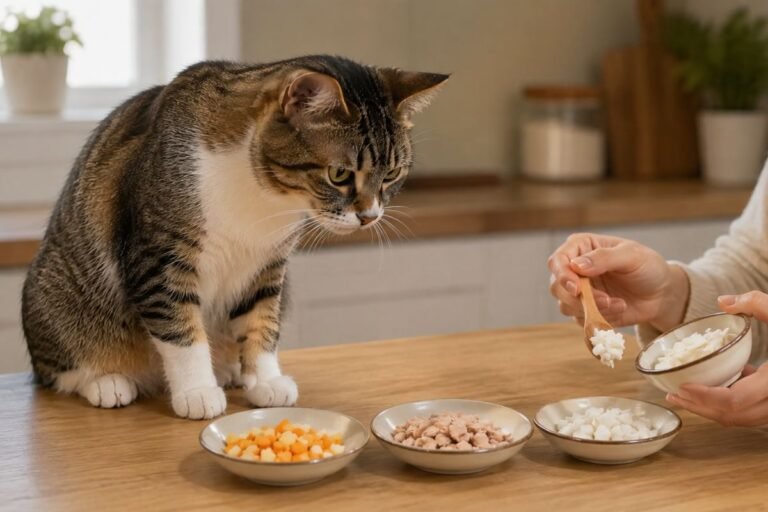
What’s the best type of food for kittens — wet or dry? Both can work, as long as it’s labeled specifically for “kittens” or “growth.” Many vets recommend a mix of wet and dry kitten food to support hydration and dental health.
The Bottom Line
Kittens have very different nutritional needs than adult cats, and adult cat food simply isn’t built to support their rapid growth, brain development, and immune maturation. While an occasional bite from the adult cat’s bowl isn’t dangerous, kittens should stay on a dedicated kitten formula until at least their first birthday — and always check with your veterinarian for guidance specific to your kitten’s breed and health.