What Human Food Can Cats Eat? A Complete Safety Guide
Cats are obligate carnivores, which means their bodies are built to thrive on meat. Still, many cat owners wonder whether it’s safe to share a bite of their own meal with their feline companion. The good news is that several human foods are perfectly safe for cats in moderation — while others can be dangerous or even fatal. This guide breaks down exactly what human food cats can eat, what to avoid, and how to feed table scraps responsibly.
Can Cats Eat Human Food?
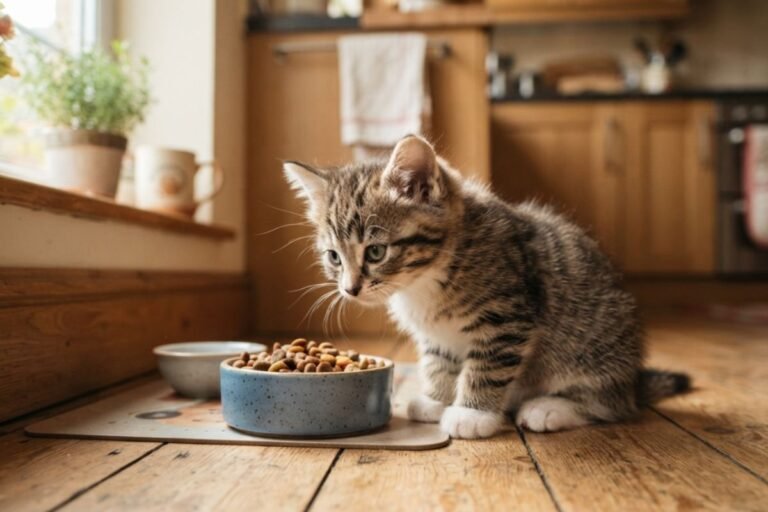
Yes, cats can eat certain human foods safely, but only as an occasional treat — never as a replacement for a balanced, species-appropriate cat food. Because cats are obligate carnivores, their diet should be built around animal protein. Treats and human food should make up no more than 10% of a cat’s daily caloric intake, according to general veterinary guidance.
Safe Human Foods for Cats
1. Cooked Meat
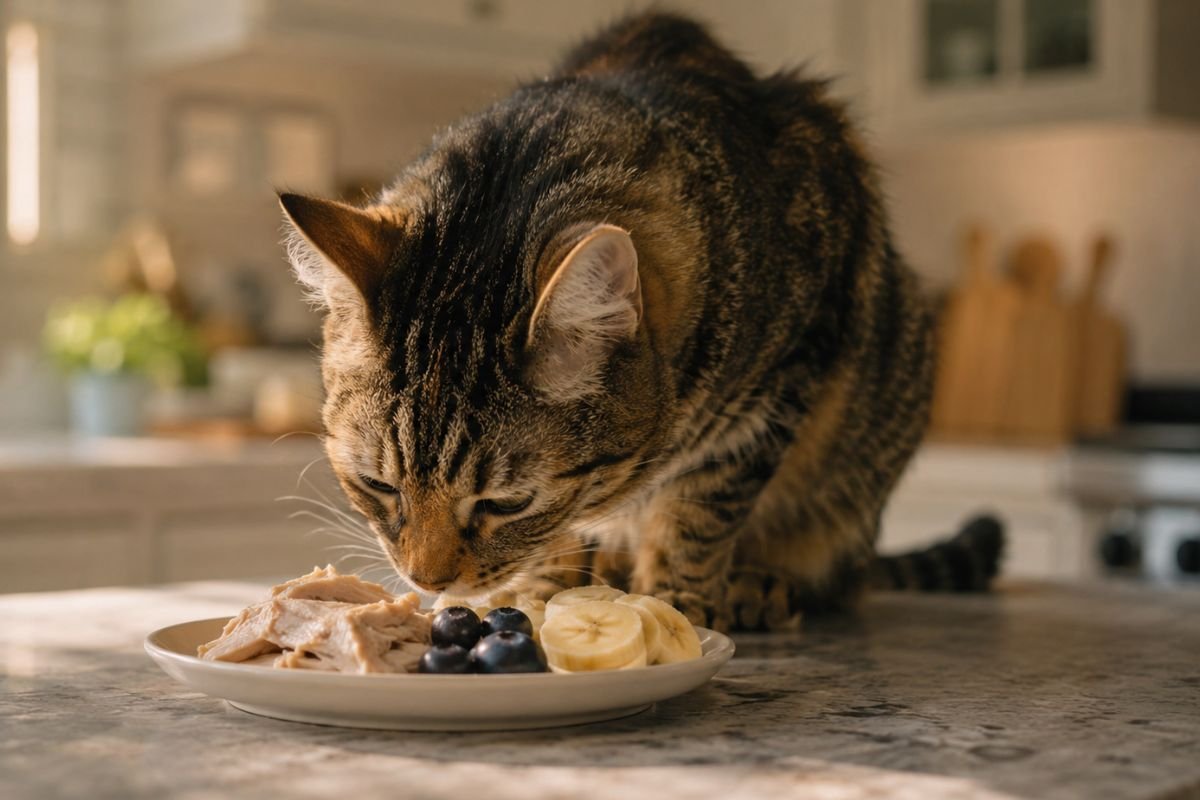
Plain, cooked chicken, turkey, beef, or lean pork (unseasoned, no bones, no skin) is one of the safest and most appreciated treats for cats. Avoid raw meat due to bacterial contamination risks like salmonella.
2. Fish
Cooked salmon, tuna, or whitefish (boneless and unseasoned) can be given occasionally. Fish shouldn’t be a daily staple, however, because too much can lead to a thiamine (vitamin B1) deficiency and may contain mercury.
3. Eggs
Fully cooked scrambled or boiled eggs are a good source of protein for cats. Never feed raw eggs, as they carry a risk of salmonella and contain avidin, which can interfere with biotin absorption.
4. Plain Cooked Rice or Oatmeal
Small amounts of plain, cooked rice or oatmeal can occasionally help settle a cat’s digestive system, particularly during mild stomach upset.
5. Cheese and Dairy (in small amounts)
Many cats enjoy cheese, but most adult cats are lactose intolerant to some degree. A tiny amount of hard cheese occasionally is usually fine, but milk and cream should generally be avoided.
6. Cooked Pumpkin
Plain, unsweetened, unseasoned pumpkin puree is often recommended by veterinarians to help with digestive issues like constipation or diarrhea.
7. Blueberries
Rich in antioxidants, a few blueberries can be a safe, low-calorie treat for most cats.
8. Carrots (cooked)
Cooked, plain carrots are safe in small pieces and offer fiber and vitamins, though cats have no nutritional need for vegetables.
9. Spinach (in moderation)
Spinach is safe for most cats and offers vitamins A and C, but should be avoided for cats with a history of urinary or kidney stones due to its oxalate content.
10. Bananas
A small slice of banana is a safe, low-toxicity treat, though it’s high in sugar relative to a cat’s needs, so moderation is key.
Human Foods That Are Dangerous for Cats
Some common foods are toxic to cats and should never be shared:
- Onions, garlic, leeks, and chives — Can damage red blood cells and cause anemia, even in small or cooked amounts.
- Chocolate — Contains theobromine and caffeine, which are toxic to cats.
- Grapes and raisins — Linked to kidney failure in cats and dogs.
- Xylitol (found in sugar-free gum, candy, and baked goods) — Highly toxic, can cause a dangerous drop in blood sugar.
- Alcohol — Even small amounts can cause severe liver and brain damage.
- Caffeine (coffee, tea, energy drinks) — Can cause rapid heart rate, tremors, and seizures.
- Raw dough (yeast-based) — Can expand in the stomach and produce alcohol as it ferments.
- Bones — Can splinter and cause choking or internal injury.
- Dairy in large amounts — Can lead to vomiting and diarrhea in lactose-intolerant cats.
- Salty or heavily seasoned foods — Can lead to sodium ion poisoning in large quantities.
Tips for Safely Feeding Cats Human Food
- Introduce new foods slowly. Offer a tiny portion first and watch for signs of an upset stomach or allergic reaction.
- Keep portions small. Treats, including human food, should stay under 10% of total daily calories.
- Avoid seasoning. Salt, garlic, onion powder, and other seasonings commonly used in human cooking can be harmful to cats.
- Always cook meat and eggs thoroughly. This reduces the risk of bacterial infection.
- Consult your veterinarian. Cats with pre-existing health conditions, such as kidney disease or urinary issues, may need to avoid certain foods altogether.
Final Thoughts
While cats can enjoy small amounts of certain human foods like cooked meat, fish, eggs, and select fruits and vegetables, their primary diet should always be a nutritionally complete cat food formulated for their needs as obligate carnivores. When in doubt about a specific food, it’s always best to check with a veterinarian before offering it to your cat.
Disclaimer: This article is for informational purposes only and is not a substitute for professional veterinary advice. Always consult your veterinarian regarding your cat’s specific dietary needs.