Things That Can Affect Cats at Home: A Complete Guide for Cat Owners
Cats are curious, sensitive, and surprisingly fragile creatures despite their independent nature. While your home may seem safe on the surface, it can quietly contain a wide range of hazards, stressors, and health risks that affect your cat’s wellbeing every day. Understanding these factors is the first step toward creating a truly cat-friendly environment.
In this guide, we’ll break down the most common things that can affect cats at home — from physical dangers to emotional stressors — and how you can address each one.
1. Household Chemicals and Cleaning Products
Many common cleaning supplies contain ingredients that are toxic to cats, including bleach, ammonia, and essential oil–based cleaners. Cats groom themselves constantly, which means any residue left on floors, counters, or their paws can be ingested.
Tips to reduce risk:
- Store chemicals in closed cabinets
- Use pet-safe cleaning products when possible
- Ventilate rooms after cleaning before letting your cat back in
2. Toxic Plants
Several popular houseplants are dangerous to cats if chewed or swallowed. Lilies, in particular, are highly toxic and can cause kidney failure even in small amounts.
Common toxic plants include:
- Lilies
- Pothos
- Aloe vera
- Sago palm
- Tulips
Always research a plant before bringing it into a home with cats, and consider pet-safe alternatives like spider plants or cat grass.
3. Human Food and Medications
Foods that are harmless to humans can be dangerous or even fatal to cats. Onions, garlic, chocolate, grapes, and xylitol (found in sugar-free products) are all toxic. Human medications, especially pain relievers like ibuprofen and acetaminophen, are extremely dangerous even in tiny doses.
Keeping food out of reach and medications in secured containers is essential.
4. Small Objects and Choking Hazards
Cats love to bat around and chew on small items — rubber bands, string, hair ties, and small toy parts. These can cause choking or intestinal blockages if swallowed, sometimes requiring emergency surgery.
5. Stress and Environmental Changes
Cats are highly sensitive to changes in their environment. Moving furniture, introducing a new pet, loud noises, or even a change in routine can trigger stress, which may lead to behavioral issues or health problems like urinary tract inflammation.
Signs of stress in cats:
- Excessive grooming or hair loss
- Hiding more than usual
- Changes in appetite
- Litter box avoidance
6. Lack of Mental and Physical Stimulation
Boredom can significantly affect a cat’s mental health. Indoor cats especially need enrichment through play, scratching posts, climbing spaces, and interactive toys to prevent obesity, anxiety, and destructive behavior.
7. Poor Litter Box Conditions
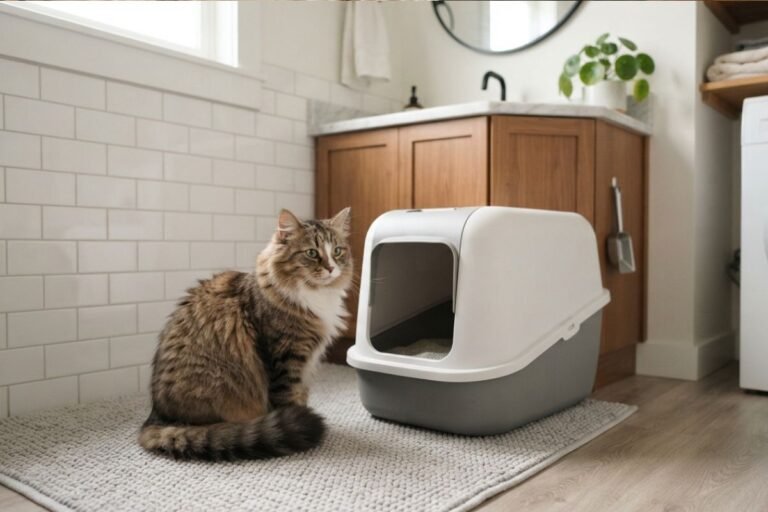
An unclean or poorly placed litter box is one of the most overlooked stressors for cats. Cats are naturally clean animals, and a dirty box can lead to litter box avoidance, which is often mistaken for a behavioral problem rather than a hygiene issue.
Best practices:
- Scoop daily
- One litter box per cat, plus one extra
- Place boxes in quiet, low-traffic areas
8. Extreme Temperatures
Cats can suffer from overheating or hypothermia depending on the season. Homes without proper ventilation or heating can put cats at risk, especially kittens, senior cats, and those with health conditions.
9. Other Pets and Household Conflict
Tension between pets — whether cats, dogs, or other animals — can cause chronic stress. Territorial disputes over space, food, or litter boxes often go unnoticed by owners but significantly impact a cat’s daily comfort.
10. Secondhand Smoke and Air Quality
Cats exposed to cigarette smoke or poor indoor air quality face increased risks of respiratory issues and even certain cancers. Keeping the home well-ventilated and smoke-free protects their long-term health.
Final Thoughts
Creating a safe home for your cat goes beyond providing food and shelter — it requires awareness of the everyday hazards and stressors that can silently affect their physical and emotional wellbeing. By identifying and minimizing these risks, you can help your cat live a longer, healthier, and happier life.
Regular veterinary checkups, a stimulating environment, and a clean, hazard-free home are the foundation of responsible cat ownership.