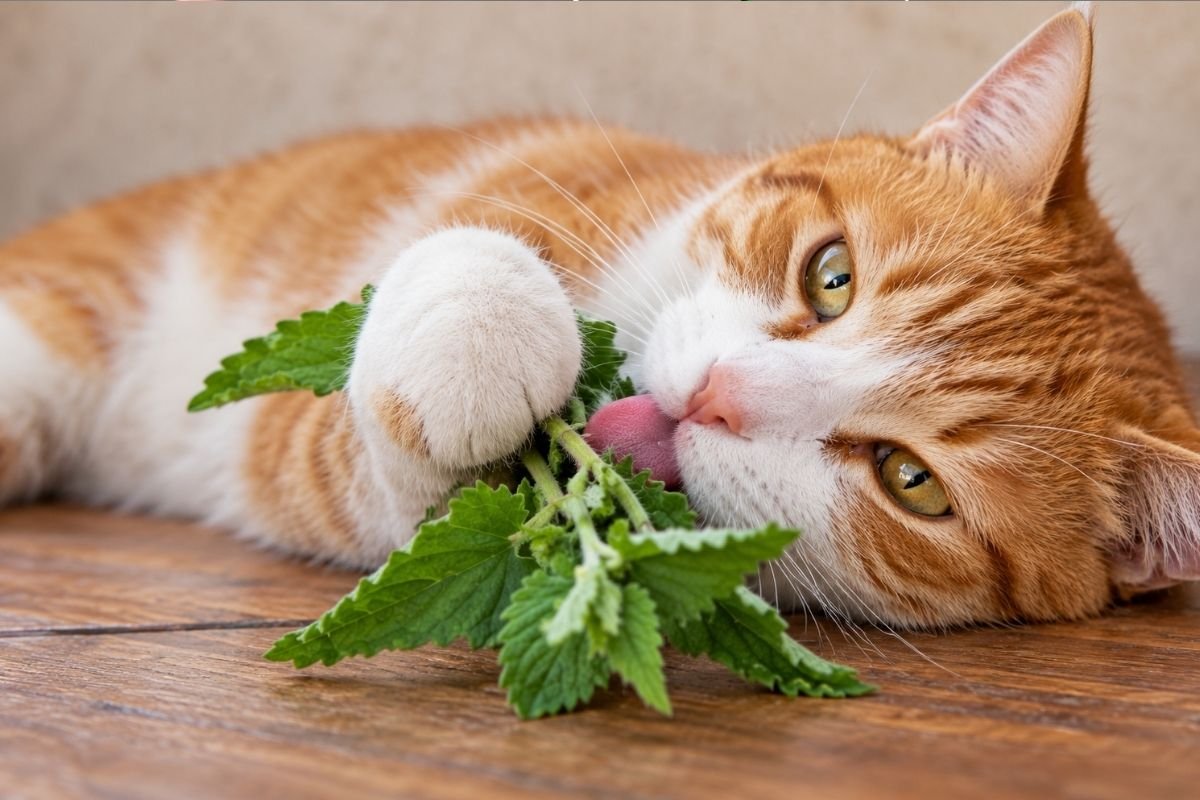
What Is Catnip and What Does It Do to Cats?
If you have ever watched your cat roll, rub, and race around the house after sniffing a toy, there is a good chance catnip was involved. This humble plant triggers some of the funniest behavior in the cat world. But what exactly is catnip, and what does it really do to your cat? This guide covers everything you need to know, from the science behind the reaction to safety tips and the best ways to use it.
What Is Catnip?
Catnip (Nepeta cataria) is a perennial herb that belongs to the mint family, Lamiaceae. It grows easily in many parts of the world and has heart-shaped, slightly fuzzy green leaves with small white or pale lavender flowers. Its leaves and stems contain an oil with a strong scent that cats find irresistible.
People have used catnip for centuries. It has been brewed as a mild herbal tea and grown in gardens, and today it is mostly known as a favorite treat and toy filler for cats.
The Science: What Makes Cats React to Catnip?
The active ingredient in catnip is a compound called nepetalactone. It is found in the leaves, stems, and seeds, and it is released into the air when the plant is bruised, crushed, or chewed.
When a cat sniffs catnip, nepetalactone enters the nose and binds to receptors in the nasal tissue. These receptors send signals to areas of the brain that are linked to emotions and behavior. Researchers believe the compound triggers a response similar to the effect of a cat pheromone, which is why many cats seem blissful, playful, or excited after just a few sniffs.
It is important to know that the reaction happens through smell. Cats do not need to eat catnip to feel its effects.
What Does Catnip Do to Cats?
Every cat responds a little differently, but the most common reactions include:
- Sniffing and licking the source of the scent
- Rubbing their cheeks and body against it
- Rolling on the floor
- Purring, meowing, or making happy sounds
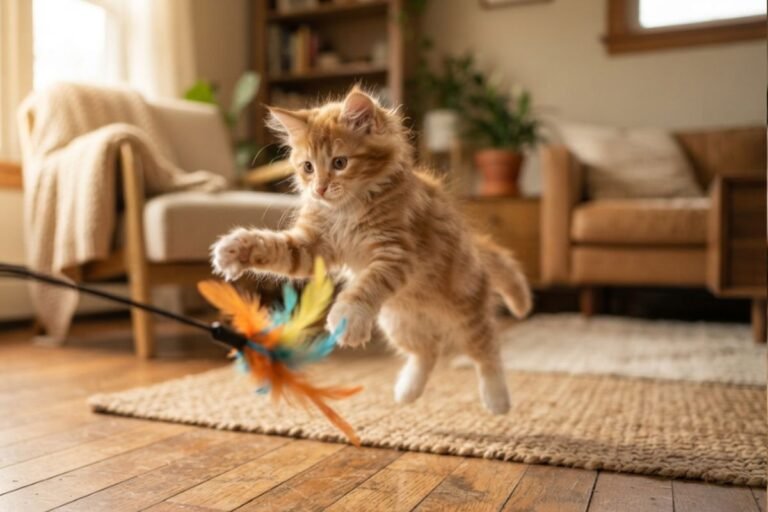
- Sudden bursts of energy, running, and jumping
- Drooling
- Kicking toys with their back legs
Other cats react in the opposite way. Instead of getting hyper, they become very calm, relaxed, and sleepy. Both reactions are completely normal.
How Long Do the Effects Last?
The effects of catnip usually last about 5 to 15 minutes. After that, the cat becomes temporarily immune to the scent. This pause can last from 30 minutes to a few hours, so offering more catnip right away will not bring back the reaction.
Do All Cats React to Catnip?
No. Studies suggest that about 50% to 75% of cats are affected by catnip. Sensitivity is an inherited trait, so if your cat does not react, it is simply how they were born.
Kittens usually do not respond until they are about three to six months old, and some young cats take even longer. Older cats may also become less sensitive over time.
Big cats can respond too. Lions, tigers, and leopards have been observed reacting to catnip in a similar way to house cats.
Is Catnip Safe for Cats?
Catnip is generally considered safe and non-addictive for cats. It does not harm the brain or cause dependency, and your cat can enjoy it again and again.
There are a few small things to keep in mind:
- Eating a large amount may cause mild stomach upset, such as vomiting or diarrhea.
- Overexcited cats can sometimes get a little rough while playing, so watch multi-cat households.
- Kittens should not be pushed to try it before they are ready.
- If your cat has a health condition or you are unsure, ask your veterinarian before introducing new treats or herbs.
Benefits of Catnip for Cats
Beyond the fun, catnip can support your cat’s well-being in several ways:
- Encourages exercise: Playful cats burn energy and stay active, which helps keep them at a healthy weight.
- Reduces boredom: Catnip toys add excitement for indoor cats.
- Eases stress: The calming reaction can help some cats relax in new or stressful situations, such as a move or a trip to the vet.
- Supports training: Sprinkling catnip on a scratching post can encourage cats to use it instead of your furniture.
How to Give Your Cat Catnip
There are many ways to offer catnip, depending on what your cat prefers:
- Dried catnip: Sprinkle a small pinch on a scratching post, a mat, or a favorite spot.
- Catnip toys: Stuffed mice, kickers, and balls filled with catnip are a classic choice.
- Catnip spray: Great for refreshing old toys or making a new cat bed more inviting.
- Fresh catnip plant: Growing your own is easy, but keep it in a pot or protected area so cats do not destroy it.
- Catnip bubbles and treats: A fun option for special occasions.
Tips for Best Results
- Offer catnip once or twice a week so it stays exciting.
- Use a small amount. More does not mean a stronger effect.
- Store dried catnip in an airtight container in a cool, dark place to keep it fresh and potent.
- Let your cat enjoy it in a safe space, away from stairs or fragile items.
What If My Cat Does Not Like Catnip?
If your cat shows no interest, you can try other plants that have a similar effect:
- Silvervine (Actinidia polygama): Many cats that ignore catnip go crazy for this plant.
- Valerian root: Has a strong smell that some cats love.
- Tatarian honeysuckle wood: Another safe alternative used in cat toys.
Always introduce new plants slowly and in small amounts, and make sure they are labeled safe for cats.
Frequently Asked Questions
Is catnip a drug?
Catnip is a natural herb. Although it affects a cat’s behavior, it is not addictive and does not cause harmful long-term effects.
Can cats overdose on catnip?
Cats usually stop on their own once they have had enough. Eating too much may upset the stomach, but serious problems are rare.
Can kittens have catnip?
It is safe, but most kittens will not react until they are a few months old.
Does catnip work on dogs or humans?
Catnip does not produce the same effect in dogs or people. In humans, it is mainly used as a mild herbal tea, though it does not affect us the way it affects cats.
How often can I give my cat catnip?
Once or twice a week is a good rule to keep the reaction strong and fun.
Final Thoughts
Catnip is a safe, simple, and affordable way to add fun to your cat’s day. Whether your cat turns into a playful acrobat or a sleepy, relaxed lump, the reaction is a natural response to the plant’s scent. Use it in small amounts, enjoy the show, and remember that if your cat is not a fan, plenty of other plants can bring the same joy.