10 Cat Litter Mistakes You Might Be Making (And How to Fix Them)
If your cat has started avoiding the litter box, leaving “surprises” outside of it, or just seems generally unhappy at bathroom time, the problem might not be your cat — it might be the litter box setup itself. Cats are famously particular about their bathroom habits, and small mistakes in litter type, box placement, or cleaning routine can lead to big behavioral problems.
Here are the most common cat litter mistakes owners make, and simple ways to fix each one.
1. Not Scooping Often Enough
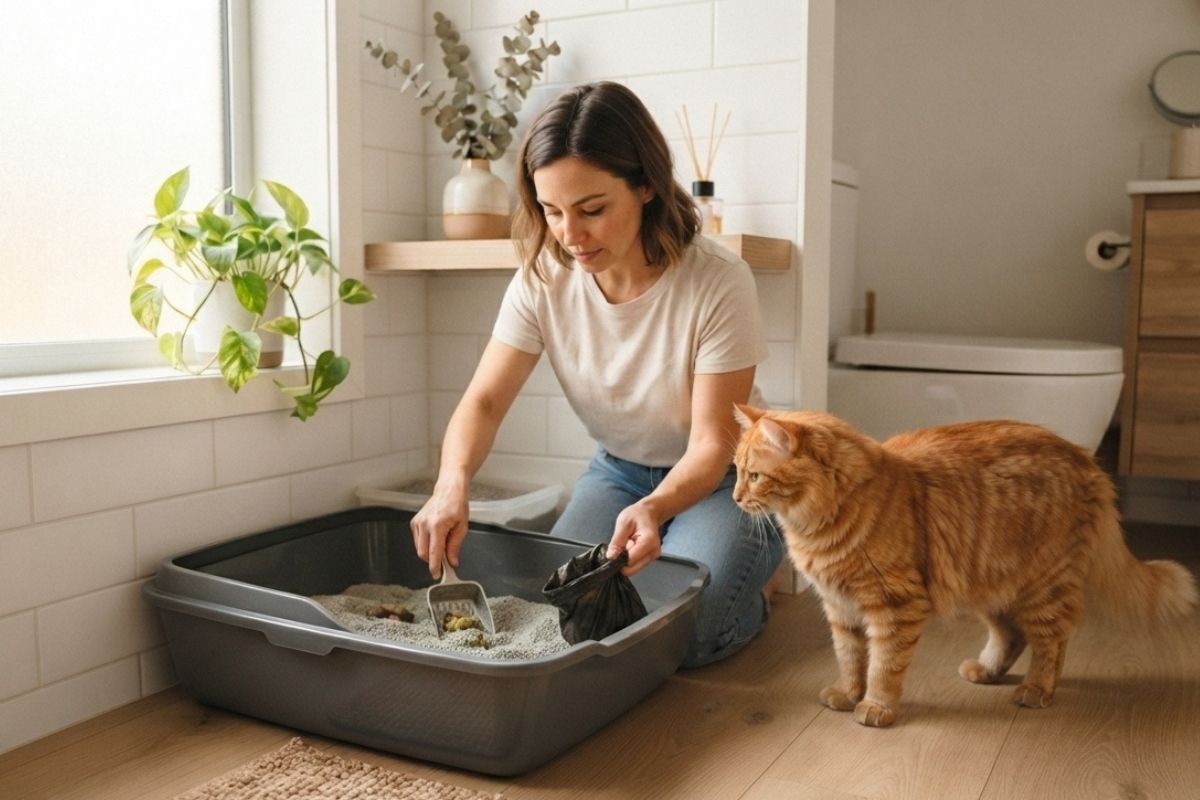
Cats are clean animals by instinct, and most don’t want to step into a dirty box. If you’re only scooping once a day (or less), your cat may start looking for cleaner alternatives — like your carpet or laundry pile.
Fix: Scoop at least once or twice daily. A dirty box is one of the top reasons cats stop using it altogether.
2. Using the Wrong Type of Litter
Not all litters are created equal, and cats can be surprisingly picky about texture. Scented litters, rough clay pellets, or heavily perfumed crystal litters can turn sensitive paws away. What smells “fresh” to you may smell overwhelming to a cat with a much stronger sense of smell.
Fix: Stick with unscented, fine-grained clumping litter unless your cat clearly prefers something else. If you need to switch litter brands, do it gradually by mixing the new litter with the old one over a week or two.
3. Choosing the Wrong Box Size
A litter box that’s too small forces your cat to squeeze in, dig awkwardly, and sometimes miss the edges entirely. This is especially common with larger cats using standard-sized boxes.
Fix: As a general rule, the box should be at least 1.5 times the length of your cat from nose to tail. Bigger is almost always better.
4. Not Having Enough Litter Boxes
In multi-cat households, sharing one box can cause stress, territorial disputes, and litter box avoidance — especially if one cat guards the box from others.
Fix: Follow the “one box per cat, plus one extra” rule. Two cats should have three boxes, ideally placed in different locations.
5. Placing the Box in a Bad Location
Cats want privacy, but they also want an easy escape route if they feel threatened. A box tucked into a noisy laundry room, right next to a loud appliance, or in a high-traffic hallway can make cats anxious about using it.
Fix: Choose a quiet, low-traffic spot with at least two access points if possible. Avoid placing boxes near washing machines, furnaces, or food and water bowls.
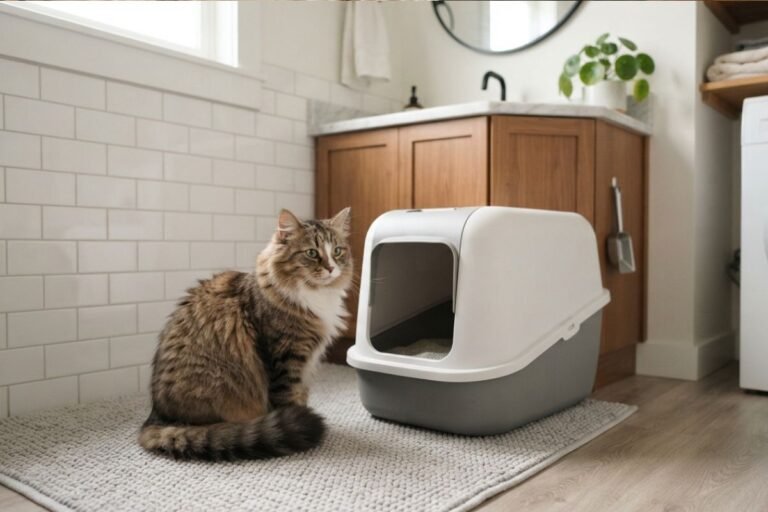
6. Using a Covered Box for the Wrong Cat
Covered boxes can trap odors inside, making the box feel dirtier to a cat than it looks to you. They can also make it harder for larger cats to turn around comfortably, and some cats simply feel trapped or ambushed inside them.
Fix: Test an open box if your cat seems reluctant to use a covered one. Some cats do prefer the privacy of a hood, so watch your individual cat’s behavior rather than assuming.
7. Switching Litter Too Abruptly
A sudden change in litter texture or scent can be enough to make a cat boycott the box entirely, especially if the new litter feels unfamiliar underfoot.
Fix: Transition slowly, blending the new litter in increasing amounts with the old one over 7–10 days.
8. Not Cleaning the Box Itself
Scooping removes waste, but the box itself can build up bacteria and odor over time, even with regular scooping. A grimy, scratched-up box can hold onto smells no amount of scooping will fix.
Fix: Wash the box with mild, unscented soap and warm water every one to two weeks. Avoid harsh chemical cleaners, which can leave strong odors cats dislike. Replace plastic boxes every year or so, since scratches trap bacteria.
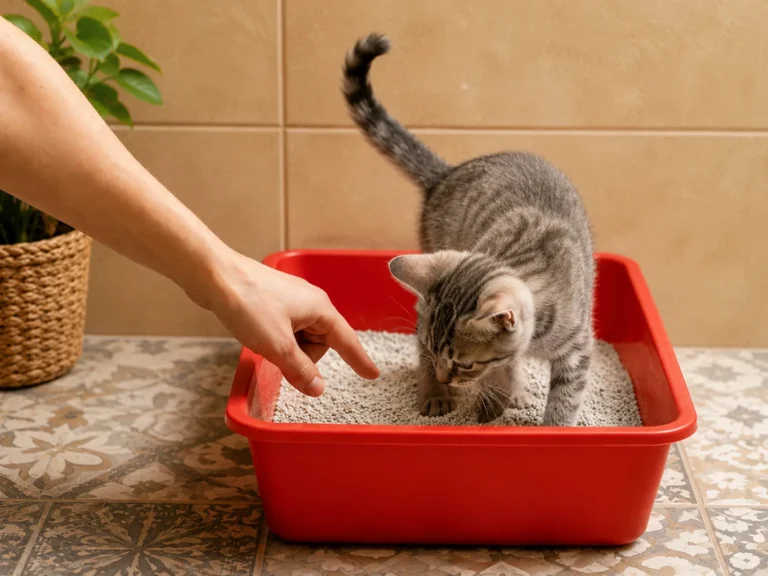
9. Using Too Much or Too Little Litter
Some owners overfill the box thinking it’s more absorbent; others underfill it to save on litter costs. Both can backfire — too much litter gets kicked everywhere, while too little means waste isn’t properly covered or absorbed.
Fix: Aim for about 2–3 inches of litter depth, adjusting based on your cat’s digging habits.
10. Ignoring Sudden Litter Box Avoidance
Perhaps the biggest mistake is assuming litter box avoidance is purely a behavioral issue. Sudden changes in bathroom habits are one of the most common early signs of urinary tract infections, bladder stones, or other medical issues in cats.
Fix: If your cat suddenly stops using the box after previously using it reliably, rule out a medical cause with your veterinarian before assuming it’s a behavioral problem.
Final Thoughts
Most litter box problems come down to a mismatch between what cats naturally want (clean, quiet, spacious, predictable) and what the setup actually offers. A few small adjustments — more frequent scooping, the right litter type, better box placement — can make a significant difference in your cat’s comfort and your household’s cleanliness.
If problems persist despite fixing these common mistakes, a veterinary checkup is always a good next step to rule out underlying health issues.